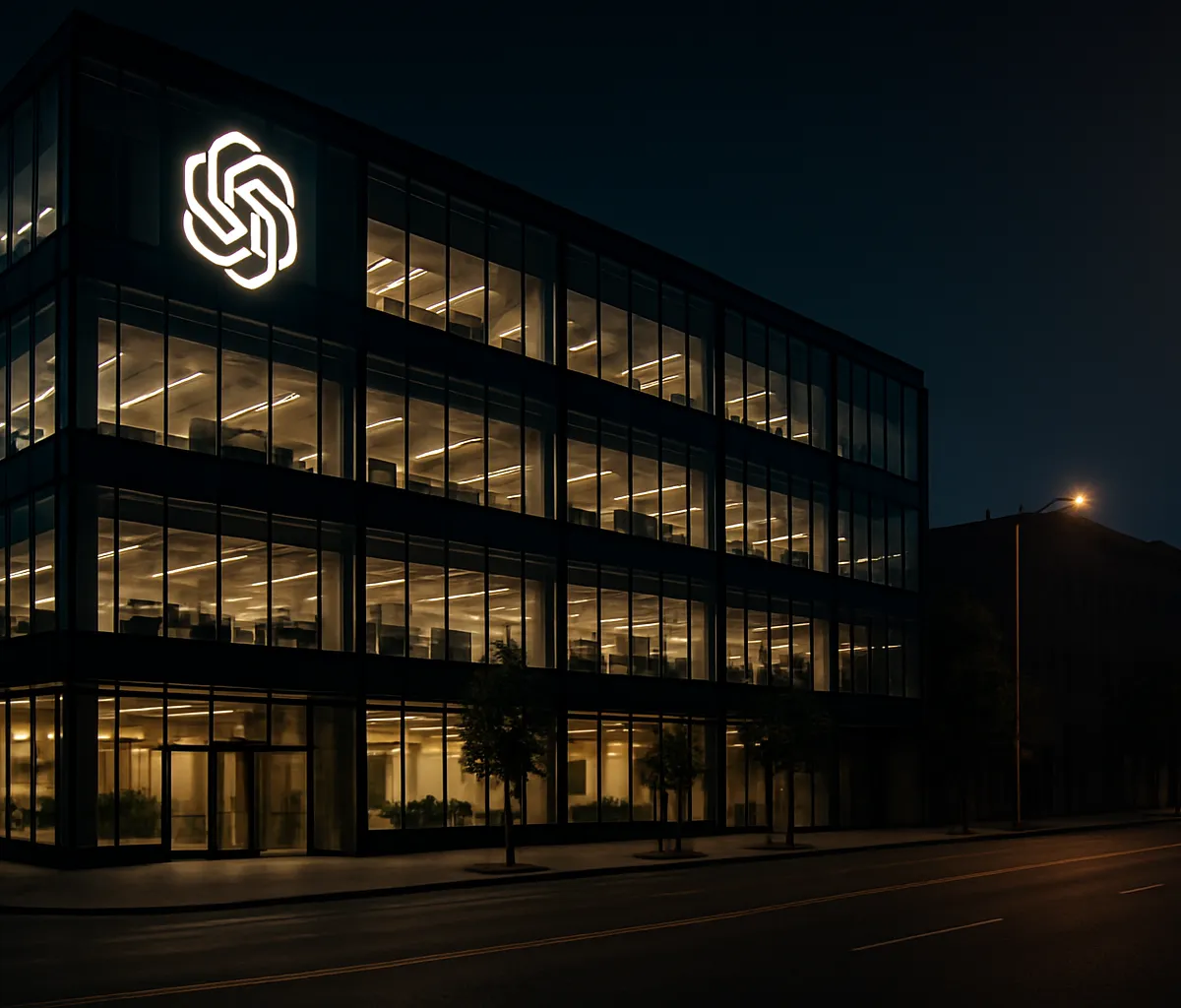
Getty Images and OpenAI Announce Strategic Display Partnership
The collaboration allows OpenAI to display Getty Images' licensed content within its AI products, marking a shift toward authorized media integration.
# Getty Images and OpenAI Announce Strategic Display Partnership
The stock photo industry and the AI world just collided — and this time, it's not a lawsuit. Getty Images and OpenAI have announced a strategic display partnership. This deal allows OpenAI to display Getty's licensed visual content directly within its AI-powered products, marking a decisive shift toward authorized media integration in an industry long defined by copyright disputes.
Why the Getty Images and OpenAI Partnership Matters
For years, the relationship between AI companies and content creators has been defined by tension. Lawsuits, takedown requests, and accusations of unauthorized training data usage have dominated the headlines. This partnership flips the script. Instead of fighting over intellectual property, Getty Images and OpenAI are building a bridge. The collaboration centers on displaying properly licensed visual content within OpenAI's ecosystem — a significant development for the photographers, illustrators, and content creators who rely on licensing revenue. Getty Images hosts a library of over 477 million assets, making the scope of this licensed content integration substantial.
What the Partnership Actually Involves
Licensed Content in AI Products
The core of the deal is straightforward. OpenAI gains the ability to display Getty Images' vast library of licensed photos, illustrations, and editorial content within its AI products. This means when users interact with OpenAI's tools, they could see professionally shot, properly licensed imagery — not AI-generated approximations or unlicensed scrapes.
A Display-Focused Arrangement
It's worth noting the specific language here: this is a display partnership. That distinction matters. The agreement, as reported by Yahoo Finance Singapore, focuses on showing Getty's content to users — not necessarily on using it to train AI models. That critical nuance separates this deal from the broader training-data controversies that have fueled litigation across the industry.
The Bigger Picture — AI and Media Licensing Rights
This partnership doesn't exist in a vacuum. It arrives at a moment when the entire tech industry is grappling with how AI should interact with copyrighted content.
The Legal Landscape
Getty Images itself has been at the center of this debate. In February 2023, the company filed a lawsuit against Stability AI in both the U.S. and the U.K., arguing that Stability's Stable Diffusion model was trained on over 12 million copyrighted Getty images without permission or compensation. That legal backdrop makes this partnership all the more significant. It suggests that both sides see more value in collaboration than in courtrooms — and it could set a template for how other media companies negotiate with AI firms going forward.
A Signal to the Industry
When one of the world's largest stock photo agencies partners with one of the world's most prominent AI companies, the rest of the industry pays attention. As reported by Yahoo Finance Singapore, the announcement positions Getty Images as a forward-thinking player willing to adapt to the AI era rather than simply resist it. Other stock media companies — Shutterstock, Adobe Stock, Alamy — will be watching closely. Some have already made their own AI deals. Shutterstock, for instance, struck a six-year deal with OpenAI in 2023 for training data access. But the display-focused nature of the Getty-OpenAI partnership represents a fundamentally different kind of arrangement.
What This Means for OpenAI's AI Products
Richer, More Trustworthy Responses
For OpenAI, the partnership adds a layer of credibility to its products. Right now, when AI tools present visual information, there's often ambiguity about where images come from. Are they generated? Scraped? Licensed? With Getty's library integrated, OpenAI can offer users professionally sourced, editorially vetted imagery with clear provenance. That matters for enterprise customers especially. Businesses using AI tools need to know the content they're accessing won't trigger copyright claims down the line.
Potential Integration Points
While the specific OpenAI products involved haven't been detailed in the available reporting, the implications are broad. ChatGPT, which already handles image generation and analysis, could benefit from access to Getty's editorial and creative libraries. Enterprise API customers could see licensed imagery woven into their workflows. The exact rollout and product integration timelines remain to be seen, as neither company has publicly disclosed those details.
> "For enterprise customers, the difference between licensed and unlicensed content isn't just legal — it's existential."
What This Means for Content Creators
This is where things get personal for the hundreds of thousands of photographers and illustrators who contribute to Getty's library.
Revenue Implications
If OpenAI is displaying Getty's licensed content, that presumably means licensing fees are involved. Those fees typically flow — at least in part — back to the content creators. The specifics of the revenue-sharing arrangement haven't been publicly disclosed. But generally speaking, display partnerships in the stock media world involve payments that trickle down to contributors. This could represent a new revenue stream for creators whose work has historically been threatened by AI-generated imagery.
The Creator Sentiment
The relationship between content creators and AI has been fraught. Many photographers and artists have expressed frustration — even anger — at AI companies that used their work without permission to train image generators. The resulting AI-generated images then competed directly with the originals. A licensed display partnership is fundamentally different. It respects the creator's ownership and compensates for usage. That said, not all creators will see it that way. Some may argue that any collaboration with AI companies legitimizes a technology that threatens their livelihoods. It's a complicated conversation with no easy answers.
How This Compares to Other AI-Media Content Deals
The Getty-OpenAI partnership joins a growing list of agreements between AI companies and content providers.
News and Publishing Deals
OpenAI has struck deals with multiple news organizations, including The Associated Press, Axel Springer, and Le Monde, for access to their archives. These agreements typically involve both training rights and display rights. The Getty deal appears more narrowly focused on display, which makes it distinct.
Image-Specific Agreements
In the visual content space, Shutterstock was an early mover. The company partnered with multiple AI firms and even launched its own AI image generation tool. Adobe has taken yet another approach, building its Firefly AI generation tools trained exclusively on its own licensed Adobe Stock library. Getty's strategy with OpenAI carves out a middle path — not generating AI images, but ensuring its existing licensed content appears within AI-powered experiences.
Here's how the approaches break down:
- Shutterstock: Training data deals + own AI generation tools
- Adobe: In-house Firefly AI trained on Adobe Stock
- Getty Images: Display partnership with OpenAI for licensed content
- Others: Still navigating, some pursuing litigation
The Trust Question in AI Content Integration
At its core, this partnership is about trust. Users need to trust that the content AI shows them is legitimate. Creators need to trust that their work is being used fairly. And companies need to trust that they won't face legal liability. According to Yahoo Finance Singapore, the announcement signals that both Getty and OpenAI are prioritizing authorized, transparent content integration. That's a step in the right direction. But trust is built over time, not in a single press release. The real test will be in the execution — how the content is displayed, how creators are compensated, and how transparent both companies are about the arrangement.
What's Next
The Getty Images and OpenAI display partnership marks a meaningful shift in how AI companies and content providers relate to each other. It's not a silver bullet for the industry's copyright challenges. But it's a concrete example of what collaboration over confrontation can look like — and it arrives at a moment when the U.S. Copyright Office and international regulators are actively developing frameworks for AI and copyrighted content. The question now isn't whether more deals like this will follow. It's whether they'll be good enough to satisfy both the business needs of AI companies and the rights of the people who create the content they depend on. That's the deal that still needs to be struck.
View in SWEN Ranking →
ChatGPT, Stable Diffusion — by ELO, price and speed
Source: Yahoo Finance Singapore
AI Benchmark
Compare GPT, Claude, Gemini and more: pricing, speed and benchmarks.