Nvidia Announces AI Partnerships with Six Major South Korean Tech Companies
The strategic alliances focus on strengthening the AI infrastructure and software ecosystem within the South Korean market.
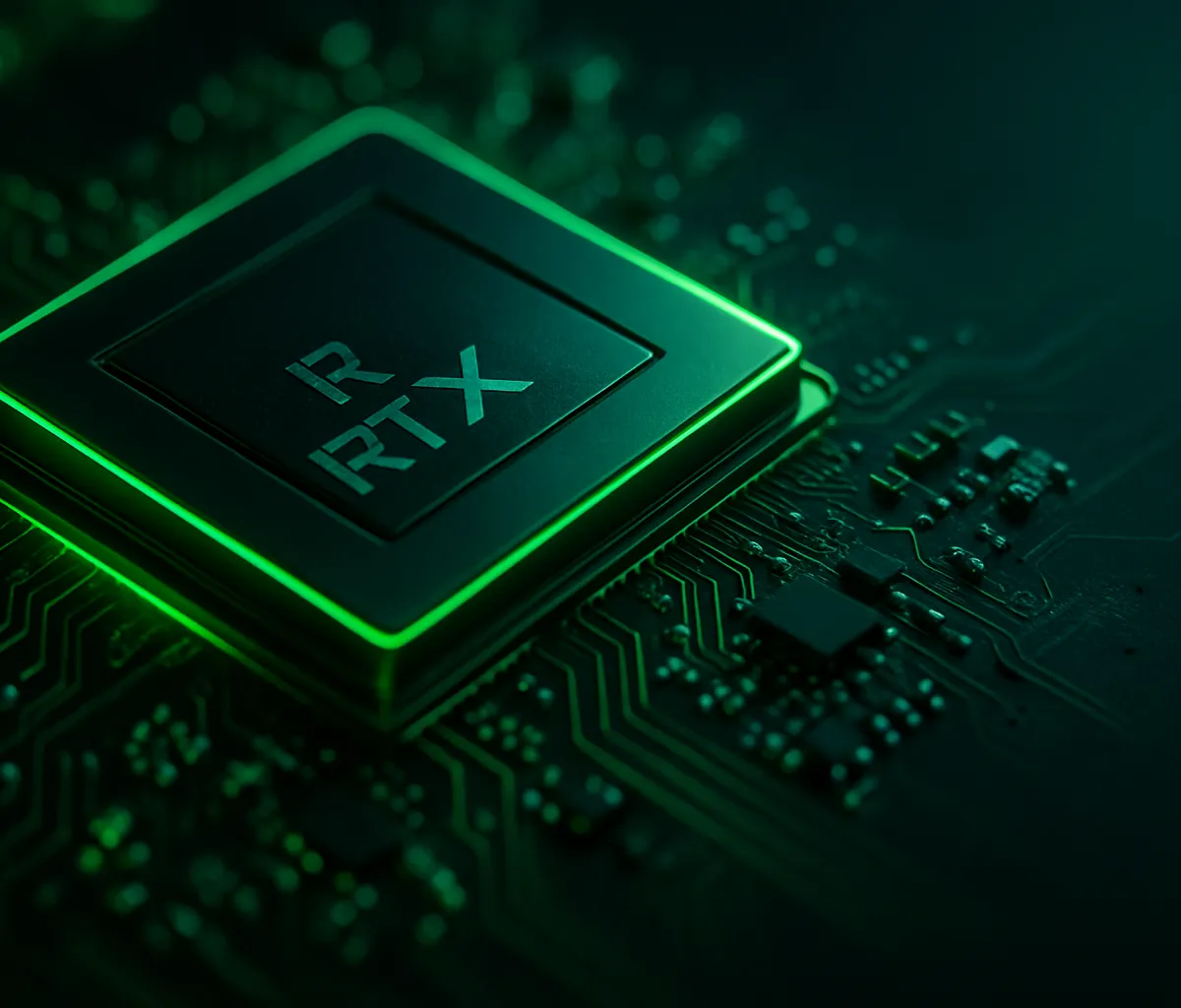
Nvidia just made its biggest move yet in Asia — and South Korea is at the center of it.
Nvidia has announced AI partnerships with six major South Korean technology companies, signaling a deep push into one of the world's most advanced tech markets.
The implications stretch far beyond a single deal.
Why South Korea — and why now?
> "These partnerships mark a strategic expansion into one of the most innovation-driven markets in the world."
South Korea has long been a global powerhouse in semiconductors, consumer electronics, and telecommunications.
The country is home to Samsung, SK Group, and a dense ecosystem of tech firms that collectively drive billions in annual R&D spending.
For Nvidia, the timing makes sense. The global race to build AI infrastructure is accelerating. And South Korea's existing hardware expertise makes it a natural partner for scaling AI capabilities.
As Insider Monkey reports, the partnerships span AI infrastructure and software ecosystem development.
But here's where it gets interesting.
What these partnerships actually cover
The strategic alliances focus on two core pillars: strengthening AI infrastructure and building out the software ecosystem within South Korea.
AI infrastructure
South Korea's tech companies already manufacture some of the world's most advanced memory chips and hardware components.
Partnering with Nvidia means these companies can integrate GPU-accelerated computing directly into their infrastructure stacks.
This typically includes data center buildouts, cloud computing platforms, and edge AI deployments — the backbone that makes large-scale AI possible.
Software ecosystem development
Hardware alone doesn't win the AI race. You need the software layer too.
Nvidia's CUDA platform, its AI frameworks, and its developer tools are already the industry standard for training and deploying large language models (LLMs) and other AI workloads.
By embedding these tools within South Korean companies' ecosystems, Nvidia is essentially making its platform the default choice for AI development across the country.
That's a powerful lock-in strategy.
The six companies — what we know
According to Insider Monkey, Nvidia announced partnerships with six major South Korean companies.
The source does not provide the specific names of all six partner companies in the available content. What is clear is that these are major players in the South Korean tech landscape.
South Korea's tech sector is dominated by a handful of conglomerates and fast-growing firms. Key areas of strength include:
- Semiconductors: Memory chip manufacturing and advanced packaging
- Telecommunications: 5G infrastructure and network AI
- Consumer electronics: Smart devices and edge computing
- Cloud services: Domestic cloud platforms competing with global hyperscalers
- Automotive: Autonomous driving and in-vehicle AI systems
Each of these sectors stands to benefit enormously from deeper Nvidia integration.
Why this matters for the global AI race
> "South Korea's tech ecosystem is one of the few in the world with the manufacturing depth to match its software ambitions."
This isn't just about one country. It's about the geopolitics of AI.
The United States, China, and the European Union are all racing to secure AI supply chains. South Korea sits at a critical junction — it manufactures essential components that every AI system on Earth depends on.
Nvidia's move strengthens the U.S.-South Korea tech axis at a time when chip export controls and AI governance are reshaping global alliances.
The China factor
With ongoing U.S. restrictions on advanced chip exports to China, South Korea's role as a manufacturing hub becomes even more critical.
Companies like Samsung and SK Hynix already supply high-bandwidth memory (HBM) chips that are essential for Nvidia's GPUs. Deeper partnerships could accelerate development of next-generation AI hardware.
As Insider Monkey notes, the focus on both infrastructure and software suggests a comprehensive, long-term strategy rather than a one-off deal.
The competitive landscape
Nvidia isn't the only company courting South Korean partners. AMD, Intel, and even emerging AI chip startups are all vying for a piece of the market.
But Nvidia holds a dominant position in AI accelerators. Its CUDA ecosystem — the software layer that developers use to build AI applications — creates a significant moat.
Generally speaking, once an organization builds its AI stack on CUDA, switching to a competitor becomes expensive and time-consuming. That's the real power of these partnerships.
What this means for Nvidia's stock
Nvidia (NVDA) has been one of the market's strongest performers, driven by insatiable demand for AI chips.
These South Korean partnerships could further strengthen the company's revenue pipeline. South Korea's tech spending is substantial, and enterprise AI adoption is accelerating across the region.
For investors, the key question is whether these deals translate into meaningful revenue growth — or whether they're primarily strategic positioning.
The answer is likely both.
What South Korean companies gain
The benefits flow both ways.
South Korean firms get access to Nvidia's cutting-edge GPU technology and software tools. This could accelerate their own AI product development by months or even years.
Faster time to market
Building AI infrastructure from scratch is brutally expensive and slow. Nvidia's pre-built platforms — from DGX systems to cloud-native AI tools — let companies skip the heavy lifting.
Talent development
Nvidia partnerships typically include training programs, developer resources, and certification paths. This helps build the local AI talent pool, which is a bottleneck in virtually every market.
Global competitiveness
South Korean companies compete on a global stage. Having Nvidia's latest technology embedded in their products gives them a meaningful edge against competitors in China, Japan, and Europe.
The bigger picture — Nvidia's Asia strategy
This South Korea push doesn't exist in isolation.
Nvidia has been systematically building partnerships across Asia. Japan, Taiwan, India, and now South Korea are all part of a broader strategy to embed Nvidia's platform across the continent's most important tech ecosystems.
As Insider Monkey highlights, the partnerships focus specifically on AI infrastructure and software — the two pillars that determine long-term market dominance.
The pattern is clear. Nvidia isn't just selling chips. It's building an ecosystem that becomes nearly impossible to leave.
Should you care?
If you're a developer, investor, or anyone working in AI — absolutely.
These partnerships signal where the industry is heading. The AI infrastructure buildout is going global, and the companies that secure early partnerships with Nvidia will have a significant head start.
For the broader market, this is another data point confirming that AI investment isn't slowing down. It's accelerating.
The real question isn't whether AI will transform South Korea's tech sector. It's how fast — and which companies will lead the charge.
Source: Insider Monkey
AI Benchmark
Compare GPT, Claude, Gemini and more: pricing, speed and benchmarks.