Oracle Faces Profit Predictability Challenges Despite AI Revenue Growth
While Oracle's cloud infrastructure sees high demand for AI workloads, analysts warn that long-term profit margins remain difficult to forecast.
Title: Oracle Faces Profit Predictability Challenges Despite AI Revenue Growth
Subtitle: While Oracle's cloud infrastructure sees high demand for AI workloads, analysts warn that long-term profit margins remain difficult to forecast.
Category: Artificial Intelligence
# Oracle Faces Profit Predictability Challenges Despite AI Revenue Growth
1.2 gigawatts. That is the staggering amount of power capacity Oracle added to its infrastructure in fiscal 2025 to stay competitive. Oracle faces profit predictability challenges even as its AI revenue growth accelerates at a record pace. The company is transforming into the fifth major US hyperscaler, positioning itself as a titan for AI workloads. But as the infrastructure expands, Wall Street is growing increasingly nervous about the predictability of long-term profits.
Oracle's Tectonic Shift to Hyperscale Infrastructure
> "The transition pales compared to the tectonic shift Oracle is making as it invests to become the fifth hyperscaler."
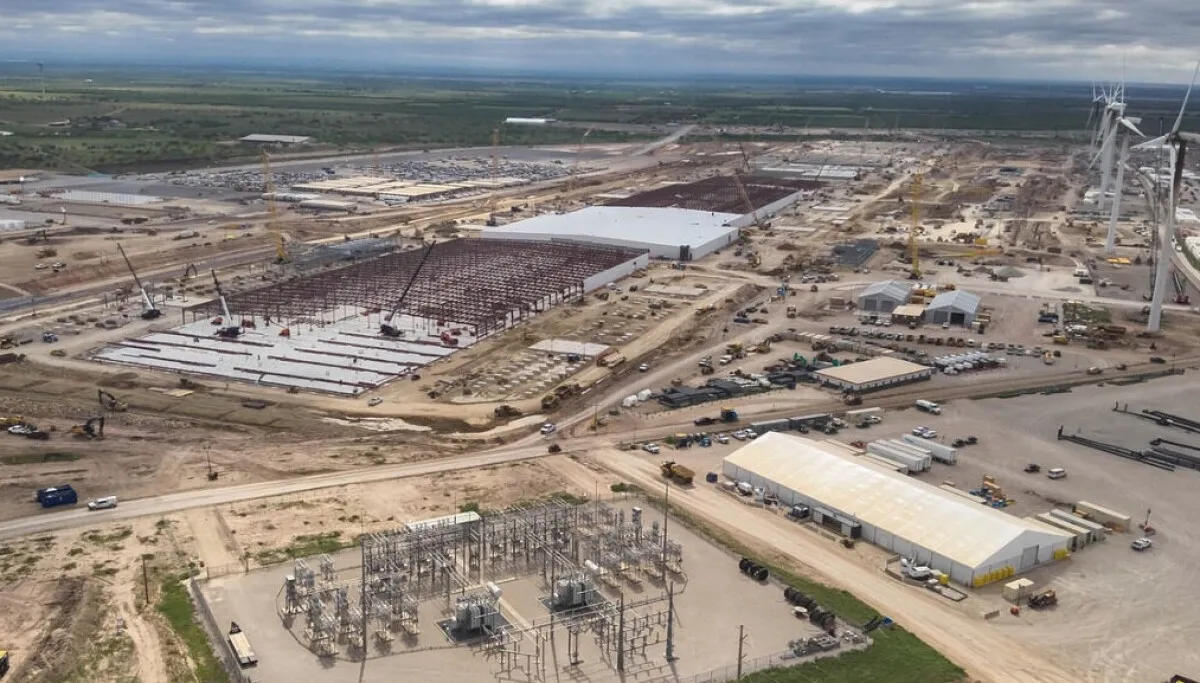
Oracle is moving far beyond its roots in database and enterprise software. It is now building five massive datacenters to support global AI processing. This is a capital-intensive bet on the future of cloud computing.
According to The Next Platform, this transition is even more significant than the shift to subscriptions. While the company navigated the subscription model with grace, hardware is a different beast. Physical infrastructure requires constant, multi-billion dollar reinvestment to keep up with AI demand.
Market Jitters and Fiscal Results
Wall Street analysts expressed significant "jumpiness" following the company's fourth-quarter results for fiscal 2025. The massive spending on cloud infrastructure is a double-edged sword for investors. It promises future revenue but creates immediate pressure on the bottom line.
A Fresh Look at the Books
The company recently appointed Hilary Maxson as the new Chief Financial Officer. She stepped into the role just two months ago to manage this difficult transition. Maxson must now balance aggressive capital expenditures against investor expectations for profit margins.
The Hardware Payoff Timeline
Oracle expects to see the benefits of its investments starting in fiscal 2026. This includes returns from both general-purpose CPU and GPU-accelerated hardware. The goal is to turn massive power capacity into consistent earnings for shareholders.
Key Numbers Behind Oracle's AI Expansion
The scale of Oracle's datacenter growth is difficult to overstate. Here are the key metrics from the latest reports:
- FY2025 Capacity: 1.2 gigawatts of datacenter power added
- Q1 FY2026 Target: 1 gigawatt of additional capacity by August
- Infrastructure Focus: Five major datacenters in active development
- Hardware Strategy: Deep investment in GPU-accelerated AI systems
As noted by NextPlatform's latest stories, the company is firing up capacity at a record pace. By the end of August, the total new capacity will be even more impressive.
Is the Worst of Oracle's Transition Over?
Despite the current market anxiety, there is a silver lining for the tech giant. The most painful part of this massive infrastructure build-out might be behind them. Oracle has already committed the capital and broken ground on its core sites.
Winning the AI Workload Race
The demand for AI processing is not slowing down anytime soon. Oracle's focus on GPU-accelerated hardware puts it in a prime position to capture enterprise AI workloads. Companies are lining up to use this capacity for large-scale model training and inference.
Subscription Success as a Roadmap
Oracle previously proved it could handle major business model shifts. The move from perpetual licenses to cloud subscriptions was a well-executed success. Management is hoping to replicate that playbook in the hyperscale hardware space.
What Oracle's Hyperscale Bet Means for Investors
Oracle is successfully raking in revenue from the AI boom, but profit predictability remains elusive. The company has the power—literally—to compete with the biggest names in cloud infrastructure. But turning that electricity into stable margins that satisfy Wall Street is the real challenge.
The next fiscal year will be the ultimate test of Oracle's hyperscale strategy. If AI demand holds and datacenter utilization climbs, the company could prove that its profit forecasting challenges were temporary growing pains rather than structural weaknesses.
Source: Google News
AI Benchmark
Compare GPT, Claude, Gemini and more: pricing, speed and benchmarks.