Oracle reports record revenue but faces $24 billion negative cash flow from AI spending
The company's aggressive investment in AI infrastructure has led to record profits alongside growing concerns over debt and cash flow.
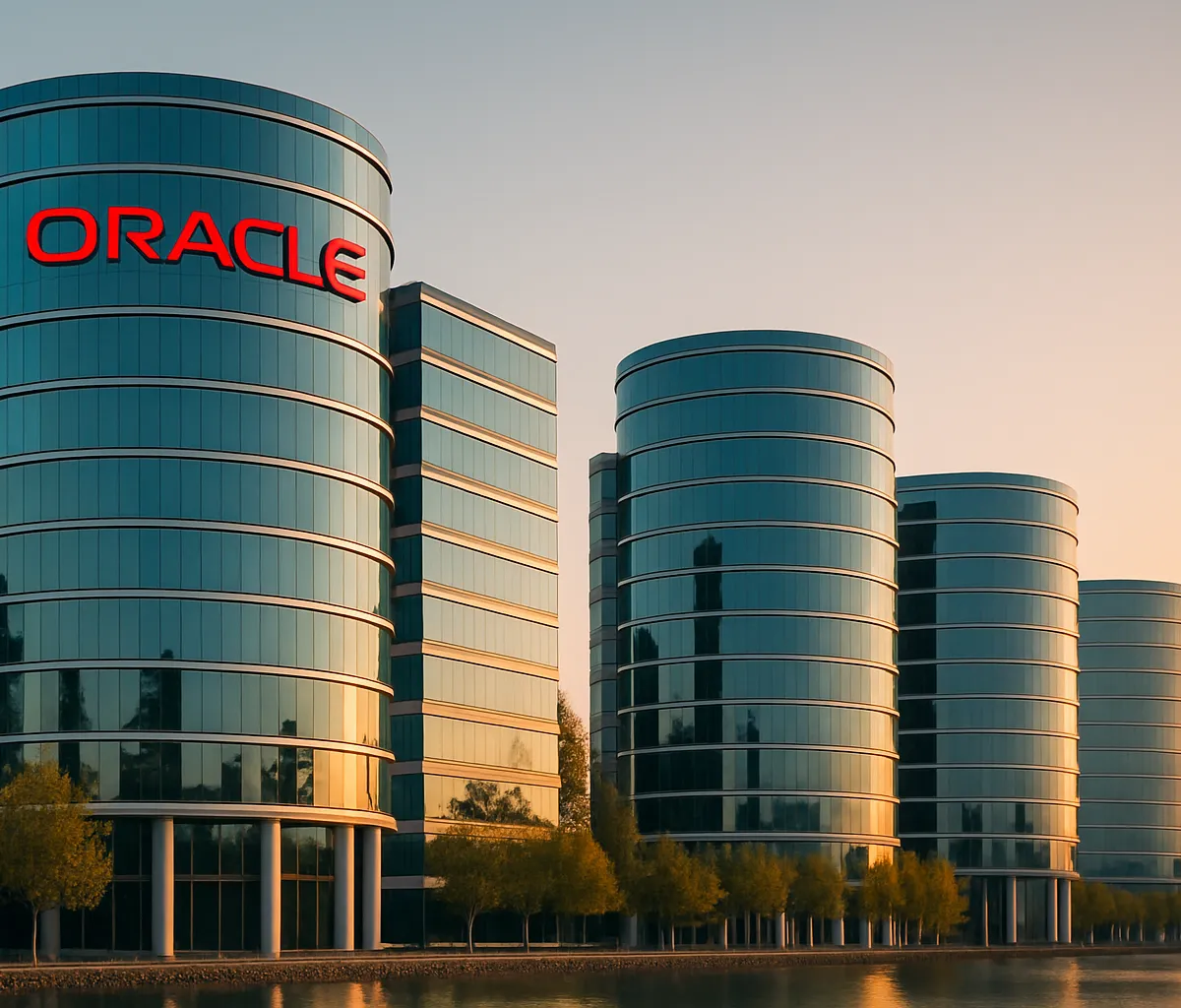
Oracle is making headlines again, but this time it's a mix of triumph and caution. The company has reported record-breaking revenues, driven by aggressive expansions into artificial intelligence (AI) infrastructure. Yet, this success is tempered by a staggering $24 billion negative cash flow attributed to its AI spending spree.
A Balancing Act of Revenue and Debt
> "Oracle's investment in AI is substantial, but so are the financial risks it faces."
According to Barron's, Oracle's latest financial report showcases an impressive surge in revenue, attributed largely to its strategic focus on AI technologies. However, the same report highlights serious concerns over cash flow, raising questions about the sustainability of such heavy investments.
The Drive Behind AI Investments
Expanding Infrastructure
Oracle has been heavily investing in AI infrastructure to maintain its competitive edge. With AI technologies promising to reshape industries, the company is betting big on early adoption and integration. This expansion aims to position Oracle as a leader in cloud-based AI solutions.
The Cost of Innovation
The aggressive push into AI hasn't come cheap. Reuters reports that Oracle's AI spending has far exceeded initial estimates, leading to increased debt and negative cash flow. This financial strain underscores the risks associated with such heavy capital allocation.
What Analysts Are Saying
> "While Oracle's revenue figures are impressive, the debt raises red flags."
Financial analysts are closely monitoring Oracle's situation. The Business Journals note that while the company's revenue growth is commendable, the associated debt and negative cash flow could pose significant challenges moving forward.
The Bigger Picture
AI's Role in Oracle's Strategy
AI is central to Oracle's long-term strategy. The company views AI as not just a technology but as a transformative force capable of driving significant business value. This vision underpins its substantial investments, despite current financial challenges.
Market Reactions
The market's response to Oracle's financial report has been mixed. While some investors are optimistic about the long-term potential of AI, others are wary of the immediate financial implications. The stock market reaction reflects this division, with Oracle's shares experiencing volatility.
The Road Ahead
> "Oracle's future hinges on balancing innovation with financial prudence."
The coming months will be critical for Oracle. The company will need to demonstrate that its AI investments can yield substantial returns without jeopardizing financial stability. This balancing act will determine how well Oracle navigates the challenges of maintaining growth while managing debt.
What This Means
Oracle's situation serves as a cautionary tale for tech companies. The allure of AI-driven growth is strong, but it comes with financial risks. Companies must weigh the benefits of innovation against the potential downsides of rapid expansion.
The tech giant's journey into AI is far from over. As it continues to invest heavily in AI infrastructure, the focus will be on how effectively it can convert these investments into tangible business outcomes. The challenge is clear: balance ambition with caution to ensure sustainable growth.
Source: Barron's
AI Benchmark
Compare GPT, Claude, Gemini and more: pricing, speed and benchmarks.