# British Columbia Prepares Legal Action Against OpenAI Over Privacy Concerns
British Columbia's legal action against OpenAI over the Tumbler Ridge tragedy could redefine corporate liability in the age of artificial intelligence. The Canadian province is now moving to hold the ChatGPT creator accountable for what it knew before the first shot was fired.
Why British Columbia Is Pursuing Litigation Against OpenAI
> "The province is seeking legal options to hold OpenAI accountable for failing to notify law enforcement about violent prompts."
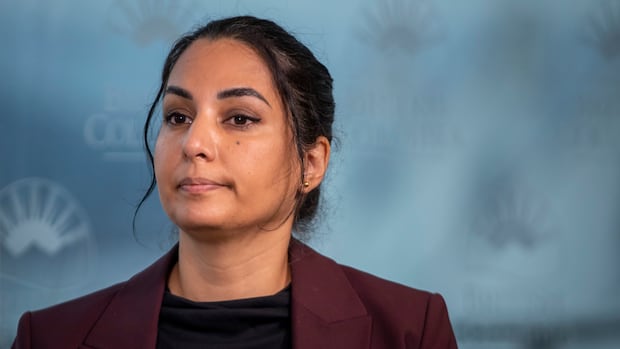
According to CBC News, B.C. Attorney General Niki Sharma confirmed the province has retained counsel to pursue litigation.
The government alleges that OpenAI failed to act on violent prompts made by the shooter on the ChatGPT platform. These prompts were reportedly submitted ahead of the devastating mass shooting in February 2026.
The province wants to know why this data wasn't shared with police before the tragedy occurred.
> 📌 READ MORE: Families sue OpenAI and Sam Altman over tragic shooting
The Tumbler Ridge Shooting and Its Connection to ChatGPT
On February 10, 2026, the small community of Tumbler Ridge was shattered by an act of extreme violence.
The 18-year-old shooter, Jesse Van Rootselaar, killed his mother and half-brother before heading to a local secondary school. The Tumbler Ridge mass shooting resulted in the deaths of five children and an educator.
Here is a breakdown of the tragedy:
- Shooter: Jesse Van Rootselaar, 18
- Total Fatalities: 8 people
- School Victims: 5 children (ages 12–13) and 1 educator
- Outcome: Shooter died of a self-inflicted wound
OpenAI's Response and Safety Protocols Under Scrutiny
OpenAI has previously acknowledged some level of involvement with the shooter's digital footprint. The company reportedly banned the account used by Van Rootselaar shortly after the incident.
Later, an apology was published in the local Tumbler Ridge newspaper, though specific details remained sparse.
However, the B.C. government argues that an apology and a post-incident account ban are not enough. They claim the AI company had a duty to report the violent intent to law enforcement immediately.
> 📌 READ MORE: OpenAI banned the shooter's account following the incident
How This Case Could Reshape AI Regulation and Accountability
British Columbia's legal action against OpenAI isn't the only challenge the company faces over this case. Victims' families are already taking OpenAI and its co-founder Sam Altman to court over similar allegations.
The province's intervention adds significant weight to the argument that AI companies must monitor for public safety threats. It raises a difficult question: where does user privacy end and public safety begin?
If generative AI models can detect harmful intent, should their creators be legally required to report it to authorities?
What British Columbia's Case Means for the Future of AI Oversight
The legal landscape for generative AI is shifting from copyright disputes to life-and-death obligations. British Columbia's move could set a global precedent for how tech companies must handle violent prompts submitted to AI assistants like ChatGPT.
If the province succeeds, OpenAI may face a new era of mandatory reporting and transparency requirements. Other jurisdictions around the world will be watching closely as this case tests whether AI creators bear responsibility for real-world violence linked to their platforms.